
Peripheral Artery disease (PAD) is a common circulatory problem that affects up to 12 million U.S. adults and it has a 5 times higher mortality rate than leading cancers. Stemming from fatty build-up, or atherosclerosis, in the arteries, PAD causes blood vessels in the limbs to narrow. This can significantly reduce blood flow which can lead to a non-healing wound if an injury occurs. If left untreated, these wounds can become infected, putting patients at risk of sepsis, gangrene, and even amputation.
Risk factors include aging, diabetes, obesity, and smoking. However, only around 25% of the population is aware of the disease, and many go undiagnosed. Symptoms include pain, cramping, discoloration, and swelling of the legs or feet. The most common wound types associated with PAD are Arterial, Venous, and Diabetic Foot Ulcers.
-
- Arterial Ulcers: Also referred to as ischemic ulcers, these are caused by damaged or blocked arteries which are unable to get nutrient-rich blood and oxygen to the lower extremities. This causes an ulcer or a break in the skin. Arterial ulcers are typically located on the foot or ankle.
- Diabetic Neuropathic Ulcers: Many patients with peripheral artery disease also suffer from diabetes. Approximately 25 percent of individuals with diabetes will experience a non-healing open wound or diabetic ulcer caused by pressure or trauma on the lower limbs or feet. Because diabetic neuropathy causes a loss of sensation in the limbs, many patients don’t know they have an ulcer until it becomes infected.
- Venous Ulcers: When patients have poor blood circulation in the legs, the blood can back up and “pool” in the veins, causing an ulcer. This can cause a painful open wound and edema, or swelling, on the ankles or lower leg.
Tips to Manage PAD:
With lifestyle changes and a commitment to treatment, PAD can be managed. Here are eight tips to help:

Download this flyer Here.
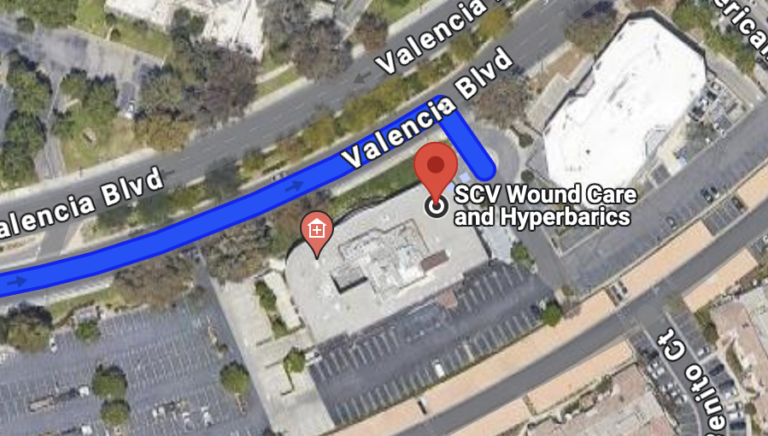
At Santa Clarita Valley Wound Care and Hyperbarics, we’re using advanced wound care modalities and hyperbaric oxygen therapy to treat non-healing wounds caused by peripheral artery disease, including venous and arterial ulcers. Stalled wounds can be diagnosed, effectively managed and healed, oftentimes within eight weeks. If you or someone you love has a non-healing wound, give us a call at 661-425-5000 for more information and assistance.